More Than a Bracelet
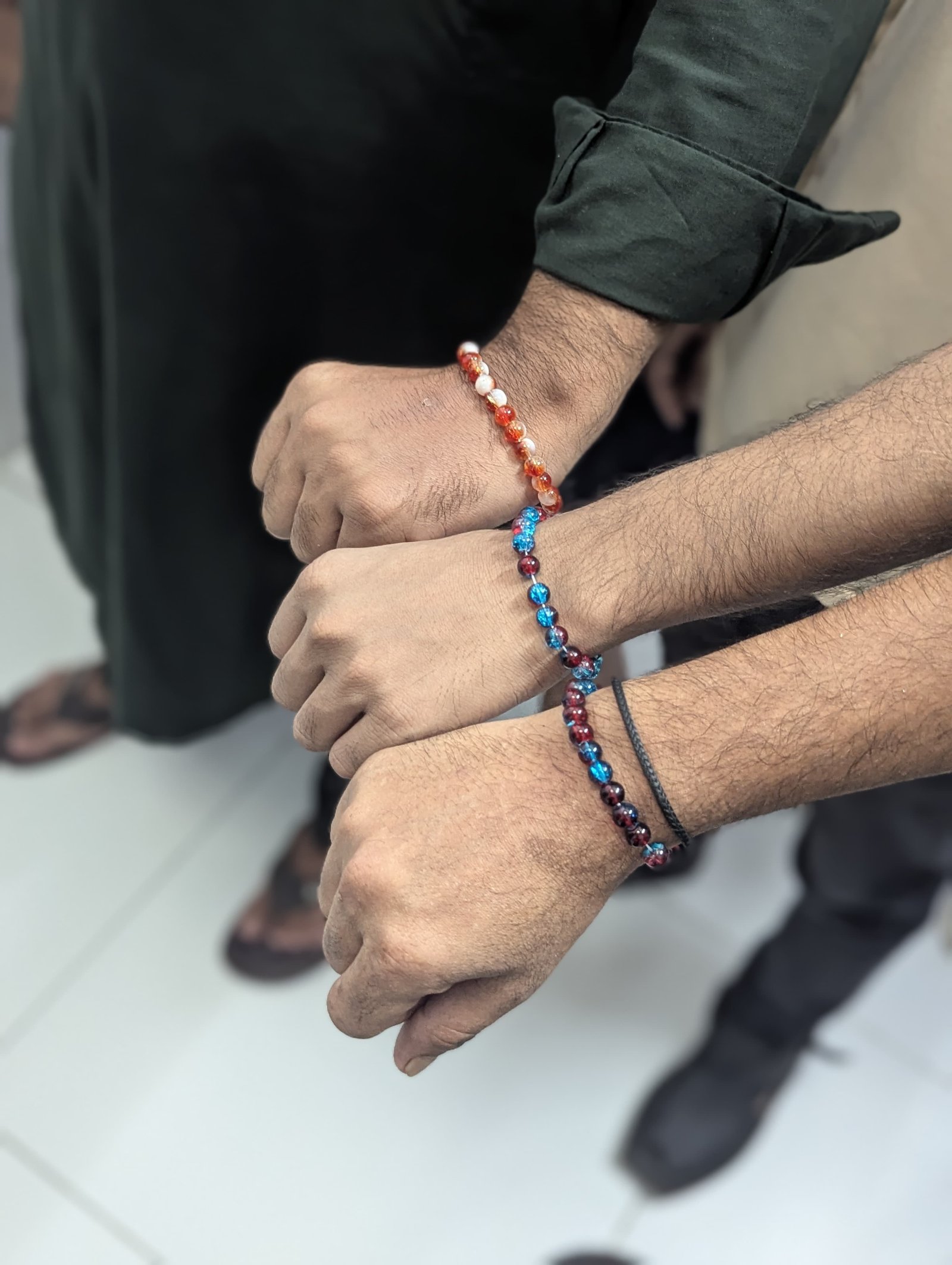
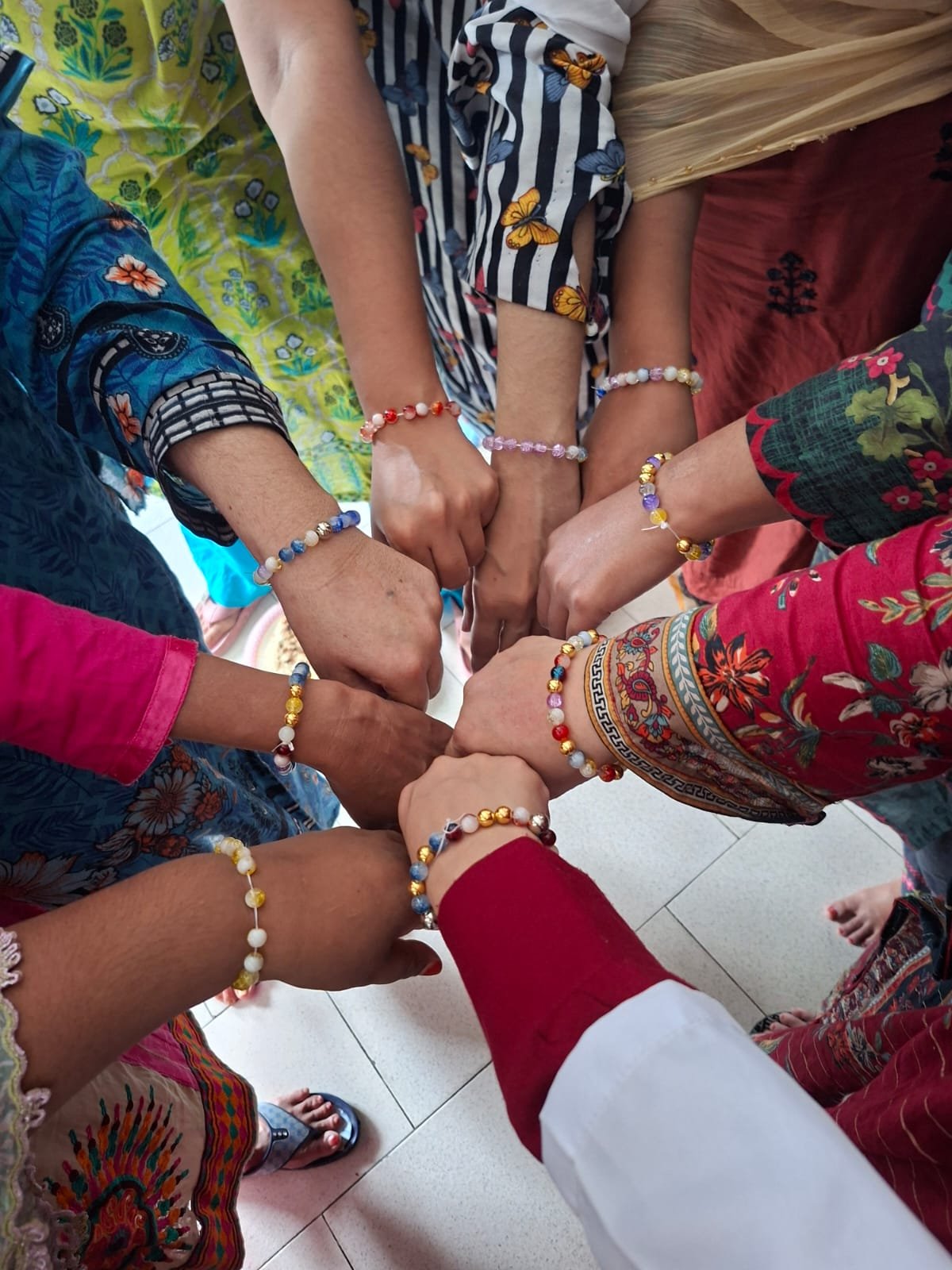
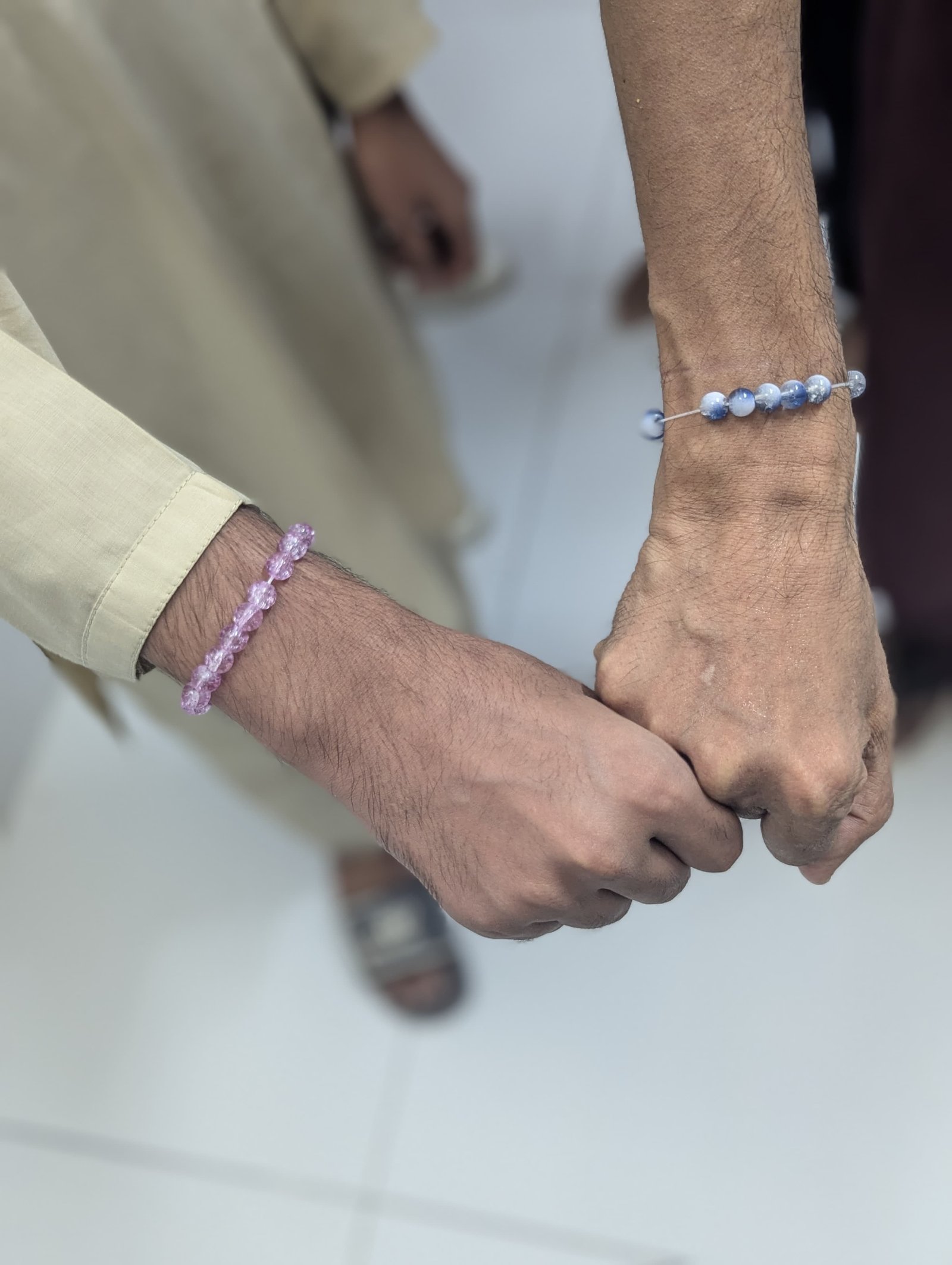
There was a moment during one of our recent occupational therapy group sessions that no one had planned for. The bracelets were almost finished. Patients were comparing colours, fastening clasps, and showing one another what they had made. Then one patient looked at his bracelet, smiled, and quietly said, “I’m going to give this to my daughter.”
Within minutes, others joined the conversation. One patient had decided his bracelet would be for his wife. Another spoke about taking his home for his fiancée. What had begun as a group activity gradually became something more personal, with each bracelet carrying a story beyond the walls of the hospital.
In another group, a different story was unfolding.
Several patients recovering from substance use disorders had already finished their bracelets. Rather than waiting for the session to end, they noticed that some patients from the general psychiatric ward were finding parts of the activity more challenging.
Without anyone asking, they began helping. One demonstrated how to thread the beads. Another untangled string for a fellow participant. Someone patiently waited beside another patient until they completed the final few steps.
There was no instruction to do this — it happened naturally.
For the facilitator and clinical team observing the session, these interactions were just as meaningful as the bracelets themselves.
Looking Beyond the Finished Product
To someone walking past the room, it might have looked like a simple craft activity. Occupational therapists see something different.
Every activity is selected with intention.
Bracelet-making asks participants to make decisions, follow a sequence, sustain attention, coordinate hand movements, solve small problems, tolerate frustration, and complete a task from beginning to end. At the same time, it creates opportunities to communicate, cooperate, ask for help, offer support, and participate in a shared experience.
These everyday abilities often become disrupted by mental illness. Concentrating for an extended period, organising a sequence of steps, managing emotions when something doesn’t go as planned, or confidently participating in a group can require enormous effort for someone living with a psychiatric condition.
Occupational therapy creates a safe environment in which those abilities can be practised — not through drills or worksheets, but through meaningful activities that people genuinely want to take part in.
The bracelets were simply the medium. The real work was happening in the conversations, the decisions, the patience, and the quiet acts of encouragement that unfolded throughout the afternoon.
When Recovery Begins to Give Back
One of the most memorable moments from the session wasn’t planned into the activity. It emerged from the patients themselves.
The participants recovering from substance use disorders who had made significant progress in their own treatment instinctively supported patients who were finding the task more difficult.
That observation carries clinical significance.
Recovery is often discussed in terms of symptom improvement or abstinence. Those outcomes matter, but they are only part of the picture. Progress is also reflected in the ability to participate meaningfully with others, recognise when someone needs support, communicate effectively, and contribute to a group.
Watching patients who had regained confidence and functional skills become a source of encouragement for others was a reminder that rehabilitation does not happen in isolation. Recovery has the capacity to strengthen communities, even within a hospital ward.
Learning Through Practice
This session was facilitated by Mariam Hammad, a Final Year BS Occupational Therapy (BSOT) student from the Sindh Institute of Physical Medicine and Rehabilitation (SIMPR), during her clinical rotation at IQ Institute of Neuropsychiatry.
Under the supervision of our Occupational Therapy team, Mariam planned and conducted the group session as part of her clinical training, gaining firsthand experience in how therapeutic activities are designed, facilitated, and adapted to meet patients’ needs.
Mariam Hammad
“Planning and facilitating this activity reminded me how one simple task can have an impact in so many different ways.
Physically, bracelet-making challenged fine motor skills, hand-eye coordination, focus, and the ability to sustain repetitive movements. Mentally, it kept participants engaged, encouraged decision-making with every bead they chose, and provided a meaningful distraction through purposeful activity.
What stayed with me most, however, was everything happening between the patients. They waited for one another, shared materials, offered help without being asked, and celebrated each other’s progress. By the end of the session, many were talking about gifting their bracelets to someone they loved. That transformed the activity into something much more personal.
Experiences like this remind me that occupational therapy is about far more than completing an activity. It creates opportunities for people to reconnect with themselves, with others, and with the parts of everyday life that give them purpose.”
The Things We Remember
By the end of the session, each participant had completed something tangible. More importantly, the activity had created space for concentration, decision-making, shared attention, conversation, and support between participants.
Some chose to make their bracelets for family members. Others helped someone beside them finish a difficult step. These were small moments, but they reflected the kinds of participation and connection occupational therapy is designed to support.
Clinical progress is documented through assessment, observation, treatment planning, and review. Sessions like this also offer another view of progress: how someone engages with an activity, responds to others, persists when something becomes difficult, or chooses to contribute to the group.
The bracelet was the activity. What mattered was everything that happened around it.
Our community stories reflect the learning, compassion, collaboration and practical work that sit behind healthcare and welfare.